Electrolytes vs. Minerals | Kalberer Wellness Cares Blog
Nov 25, 2024
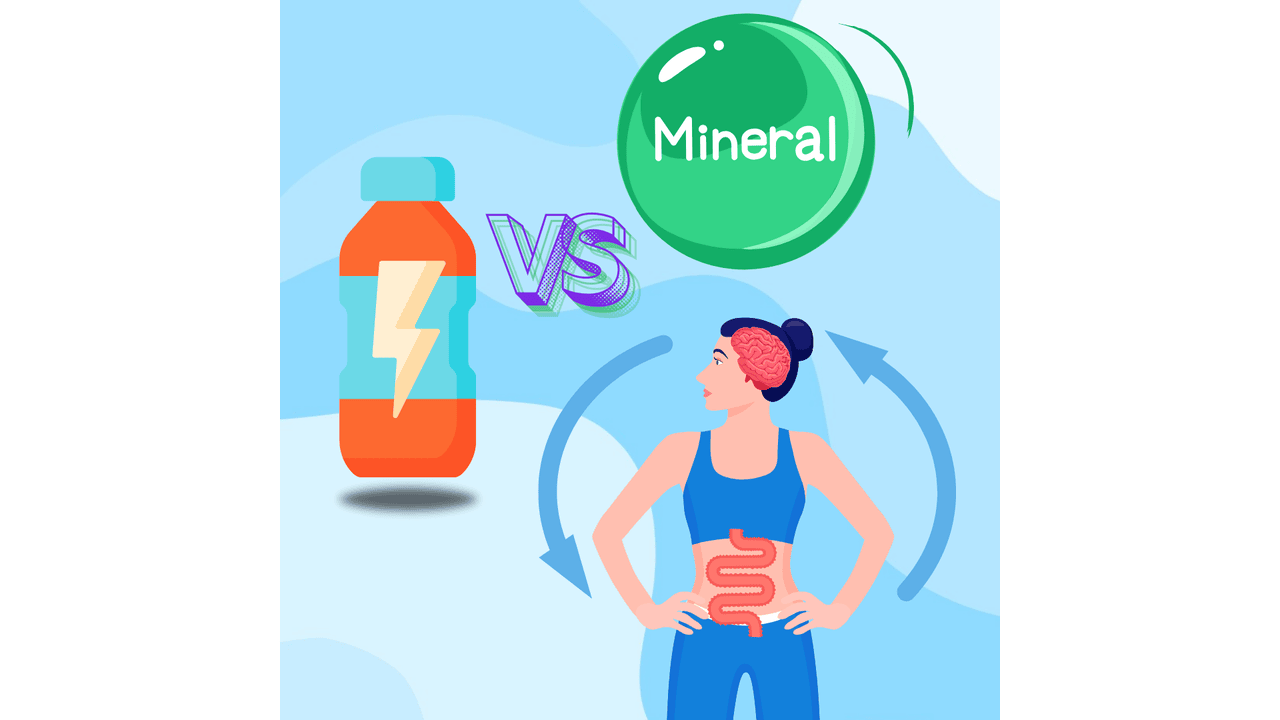
Electrolytes vs. Minerals: Understanding Their Impact on Gut Health and Absorption
When it comes to supporting your gut health, understanding the roles of electrolytes and minerals is crucial. Though they are both essential nutrients that play a role in maintaining bodily functions, they have distinct differences in how they contribute to the overall health of your digestive system.
What Are Electrolytes and Minerals?
Electrolytes: The Key to Fluid Balance
Electrolytes are electrically charged minerals that help maintain fluid balance, regulate muscle function, and control the body's pH levels. The most common electrolytes include:
- Sodium
- Potassium
- Chloride
- Magnesium
- Calcium
- Bicarbonate
These electrolytes are vital for maintaining proper hydration, nerve function, and muscle contractions, especially in the digestive system.
Minerals: The Building Blocks of Health
Minerals are inorganic substances that the body needs in smaller amounts for various physiological functions. Minerals are crucial for processes such as enzyme activity, immune function, and bone health.
The 16 Essential Minerals for Optimal Health
Macrominerals: 1. Calcium (Ca) - Bones, teeth, muscle contractions 2. Phosphorus (P) - Bone health, energy production 3. Potassium (K) - Fluid balance, nerve function 4. Sodium (Na) - Fluid balance, nerve signaling 5. Magnesium (Mg) - Over 300 enzymatic reactions 6. Chloride (Cl) - Fluid balance, stomach acid 7. Sulfur (S) - Protein synthesis, detoxification
Trace Minerals: 1. Iron (Fe) - Hemoglobin formation 2. Zinc (Zn) - Immune function, wound healing 3. Copper (Cu) - Iron absorption 4. Manganese (Mn) - Bone formation, metabolism 5. Iodine (I) - Thyroid hormone production 6. Selenium (Se) - Antioxidant protection 7. Fluoride (F) - Tooth enamel strength 8. Chromium (Cr) - Blood sugar regulation 9. Molybdenum (Mo) - Enzyme functions
Why Our Gut Health Needs Electrolytes and Minerals
Incorporating the right balance of electrolytes and minerals into your diet can make a world of difference for your gut health. Whether it's aiding nutrient absorption, maintaining the mucous barrier in your intestines, or supporting your gut microbiome, these essential nutrients are the building blocks of a healthy digestive system.
Electrolyte-rich foods: Leafy greens, bananas, avocados, coconut water Mineral-rich foods: Whole grains, nuts, seeds, legumes, lean meats, seafood